
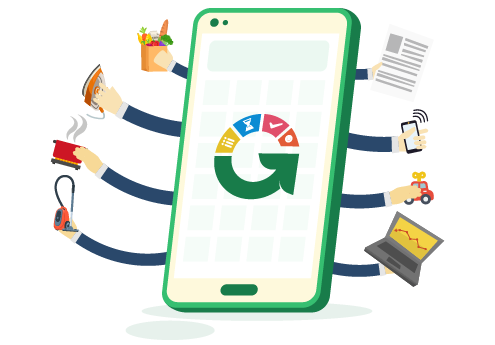
Every home has its own rhythm; morning rushes, school runs, grocery lists, forgotten chores, tiny reminders that keep the whole system from collapsing.
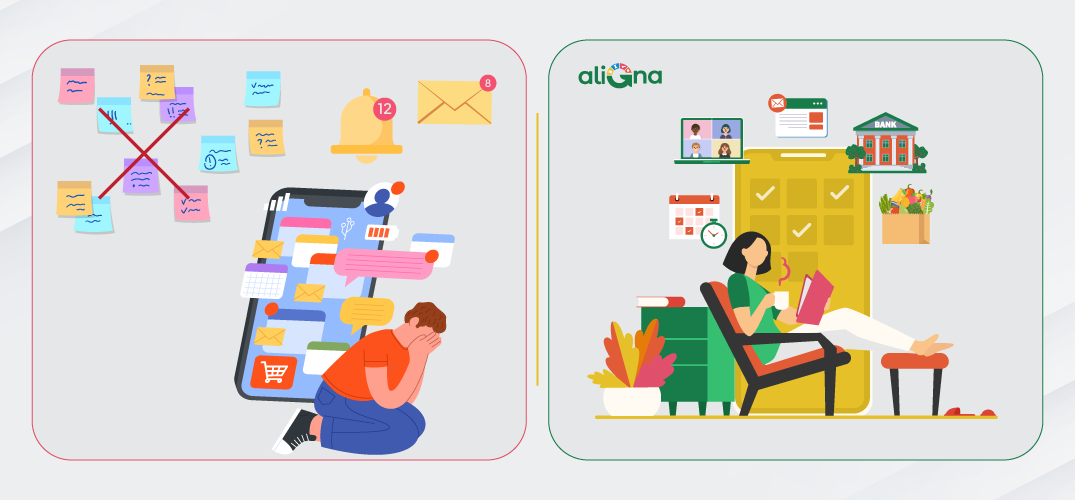
For years, families have held this world together with sticky notes on the fridge, scattered group text messages (that one group named “Happy Home”), and one person quietly carrying the mental load no one else sees.
But as life gets busier and responsibilities grow, these old tools are no longer enough.
Households today don’t need more reminders; they need intelligence, clarity, and a way to share the weight fairly.
And for the first time, technology is finally ready to rise to that challenge.
The Old World of Household Management
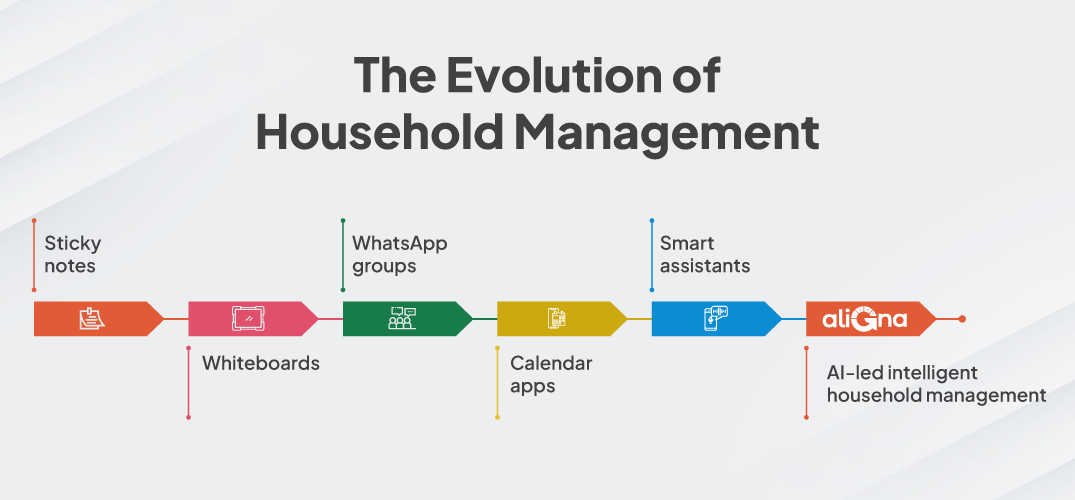
For years, households ran on a patchwork of analog systems; sticky notes clinging to the fridge, whiteboards filled with half-erased lists, and verbal reminders tossed around in passing.
These tools were familiar, but they depended entirely on memory and goodwill; notes fell off, instructions vanished into thin air, and there was no shared visibility or accountability.
When families shifted to group text messages, it felt like an upgrade, but digital chaos quickly took over. Important reminders were buried under memes, school updates drowned in chat noise, and nothing stayed prioritized long enough to be acted upon.
Beneath all of this sat the mental load: the invisible, emotional labor of remembering, anticipating, planning and coordinating. And more often than not, one partner quietly became the default “household caregiver,” carrying responsibilities that no sticky note or group chat could ever fully capture.
The Rise of Digital Tools (But Not Real Solutions)
Calendars, To-Do Apps & Shared Notes: Digital tools promised to make family life easier, and in some ways, they did. Shared calendars, to-do apps, and note-taking tools were a step forward from sticky notes. But they weren’t built for the complexity of real family dynamics. Everyone still has to manually add tasks, decide who would do what, and constantly remind each other. The tools collected information, but they didn’t proactively coordinate it and the mental load continued.
Smart Devices and Home Assistants: Voice assistants like Alexa and Google Home brought convenience, but only in small pockets. Reminders worked, timers worked, but only for the person who set them. These tools lived in silos, unable to centralize household tasks, responsibilities, and patterns into a single system. There was still no shared view of what was pending, who was overloaded, or what the family actually needed next.
Why These Tools Failed Families: Most digital tools were designed for individuals, not households. They lacked the intelligence to understand family dynamics, shared responsibilities, recurring routines, or workload distribution. So even with all this technology, the mental load stayed exactly where it always was, with one person carrying the invisible weight of keeping the home running.
The Shift Toward Intelligent Household Management
AI introduces or offers? something earlier tools never could: context.
It learns how a family actually lives: when mornings get chaotic, when groceries usually run low, how school schedules shift, and which chores tend to be forgotten. By understanding these rhythms and patterns, AI transforms raw data into real insight.
Instead of waiting for someone to say, “Remind me to…”, intelligent systems can anticipate needs before they create friction.
Think: “Your detergent will run out by Tuesday” or “You’re likely to need a lunchbox refill tomorrow.”
These proactive nudges replace constant manual reminders with calm, predictable guidance, reducing mental fatigue.
The biggest change AI brings is visibility. Suddenly, the invisible and visible tasks that keep a home running are trackable, and shareable. Real-time dashboards show what’s pending, who’s doing what, and where support is needed. A shared system makes the workload management fairer.
Communication becomes neutral, less “You forgot” and more “Here’s the shared plan.” And that shift alone reduces friction in ways traditional tools never could.
Meet Aligna — The New Era of Family Operating System
We’re building Aligna because families deserve better: better clarity, better balance, and better support. For years, homes have run on scattered systems and one overburdened mind trying to hold everything together. And as life gets busier, these old ways simply can’t keep up.
Aligna was born from a simple belief: the invisible work that keeps a household running shouldn’t fall on one person, nor should it rely on systems that crumble the moment someone forgets. Families deserve a smarter, calmer, more collaborative way to manage life.
So we’re creating Aligna as a new kind of family operating system; one that understands routines, anticipates needs, distributes work fairly, and brings transparency where it’s most needed. Not another productivity app, but an emotionally intelligent support system designed around how families truly live.
It’s not live yet, but this is the world we’re building toward: homes where everyone shares the load, communication feels kinder, and daily life flows with clarity instead of chaos.
Aligna is our step toward that future, and soon, it will be yours too.
What the Future of Household Management Looks Like
Emotionally Intelligent AI
- The next generation of home technology won’t just organize tasks; it will understand the people behind them. Emotionally intelligent AI will pick up on stress levels, workload saturation, and the overall rhythm of a family’s day. It will know when to nudge gently, when to step back, and when to redistribute tasks to reduce overwhelm.
Homes That Plan Themselves
- The future home won’t wait for instructions. It will anticipate needs and handle them in the background; automated meal planning, school reminders aligned with academic cycles, and inventory management that knows when essentials are running low. Life won’t just be managed; it will flow.
Family Life Operating Like a Team
- When systems become smarter, families become more aligned. Shared goals turn into shared routines. Responsibilities become visible and fair. Communication becomes smoother because everyone is operating from the same source of truth.
This is the shift from “Who’s doing what?” to “We’ve got this; together.”
Household management has come a long way, from sticky notes on the fridge to smart devices in every room. But real transformation isn’t about adding more tools; it’s about creating systems that truly understand how families live, share, and support one another.
As homes grow busier and responsibilities multiply, the future belongs to solutions that bring clarity, fairness, and emotional ease into everyday life. Intelligent household management isn’t just about efficiency; it’s about harmony, connection, and giving every family members the mental space to breathe.
That’s the world we’re building with Aligna. A home where invisible work becomes visible, where everyone shares the load, and where technology quietly supports the people who matter most.
We’re not fully live yet, but we’re getting closer to a future where family life feels lighter, calmer, and beautifully aligned.