

By the time one partner reaches their cup of coffee, the other one has already made a dozen decisions:
What’s for breakfast? Did anyone sign the consent form? Who’s picking up the groceries? Is today the day we fix that leaking tap?
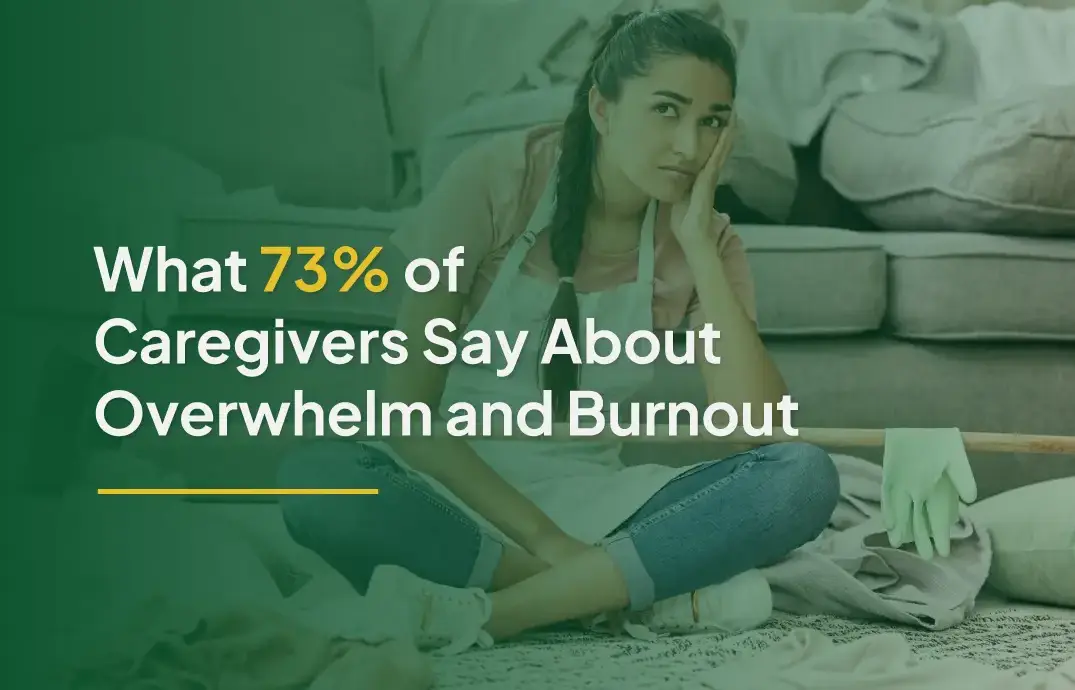
According to recent research, 73% of caregivers say this “always-on” mode is their biggest source of overwhelm; not the tasks themselves, but the endless anticipation of what needs to be done and when.
Burnout is quiet. It’s Slow. And often invisible.
The Hidden Crisis Behind Every “I’m Fine”
Behind the calm smile and the familiar “I’m fine,” caregivers are quietly carrying the weight of an entire household. They are the planners, the remember-ers, the magic maker, the emotional anchors; yet their effort often goes unseen. Research shows that the majority of caregivers report exhaustion, simmering resentment, and the constant feeling of being unsupported, even when surrounded by loved ones.
This isn’t just emotional fatigue. It’s a structural problem. When one person becomes the default manager of most task, reminder, and decision, burnout becomes inevitable. The crisis isn’t in their capability; it’s in the systems families use to function. And unless that structure changes, “I’m fine” will continue to hide a reality that’s anything but.
What Caregivers Are Actually Saying?
“I’m carrying everything in my head.”
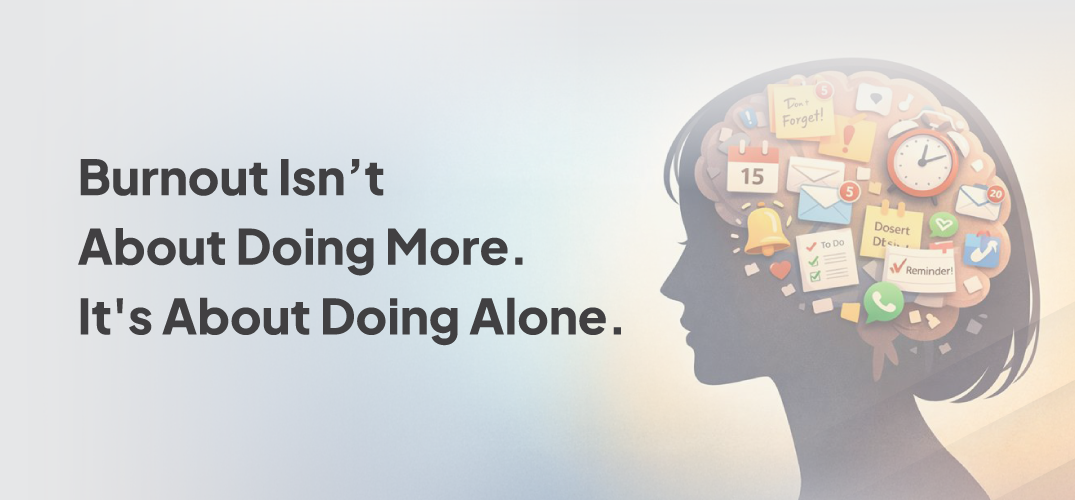
For most caregivers, the real load isn’t physical. It’s mental. They’re the ones planning tomorrow’s meals, remembering school deadlines, tracking bills, anticipating grocery needs, and keeping a running list of thousand tiny tasks. This unseen cognitive labor is rarely acknowledged, yet it’s the backbone of a functioning household. Everyone depends on it, but no one counts it.
“I’m tired of being the only one who notices things.”
Primary caregiver often become the default person who spots what’s missing, what’s overdue, what’s broken, and what needs attention. This constant vigilance creates an emotional drain that others may not even realize exists. When the burden of anticipation, planning and coordination falls on one person, the workload becomes uneven long before the tasks are even executed.
“I don’t want to nag. I want help.”
Most caregivers aren’t frustrated and mentally drained because they’re doing the work; but because they’re expected to drive it.
To remind. To follow up. To ask again. And again.
This leads to communication breakdowns, frustration as if you own the task and asking a favor from others to execute it, and a fear of being labeled “nagging” or “negative.” All they really want is shared responsibilities, not default ownership of tasks and responsibilities to keep reminding everyone.
“I don’t get time for myself anymore.”
When caregivers constantly pour into others, they eventually run dry themselves. Many report having no “ME time”, hobbies, and even losing pieces of their identity. This emotional exhaustion often shows up subtly; irritability, fatigue, forgetfulness, withdrawal, signs that others mistake for mood swings instead of burnout.
The Emotional Cost Families Don’t Talk About
Burnout doesn’t always show up as big arguments or dramatic breakdowns; it often slips in quietly. Resentment starts to build when one person becomes the constant reminder, planner, and problem-solver. What begins as a simple “Can you help?” slowly turns into a cycle of “You didn’t remind me,” straining relationships and creating tension that no one intends but everyone feels. Kids pick up on the stress too, absorbing the chaos, the rushed mornings, and the unspoken frustration in the air. And somewhere in the middle of it all, caregivers lose the space to simply breathe. Self-care becomes a luxury, not a basic need, leaving families running on emotional fumes. This cost may be invisible, but it’s real, and it’s heavy.
What Caregivers Wish Their Families Understood?
Help isn’t about doing more; it’s about thinking together: Primary caregivers aren’t overwhelmed only because they’re doing too many chores; they’re overwhelmed because they’re thinking for everyone. The planning, anticipating, remembering, and organizing all happen in their heads long before a task ever gets done. What they really want is shared cognitive labor: for the family to notice, decide, and plan together instead of relying on one person to be the household’s mental engine.
I’m not asking for perfection; just support: Most caregivers aren’t looking for flawless routines or perfectly executed tasks. They’re asking for a partnership. Small, consistent contributions, taking over a reminder, handling one recurring task, following through without being asked, create enormous emotional relief. Support isn’t measured in hours spent; it’s felt in the reduction of mental pressure and relationship friction.
When the system is clear, the relationship becomes lighter: Families don’t want hierarchy, where one person delegates and others follow. They want harmony, a sense that everyone is on the same page, working from the same playbook. When responsibilities are visible, shared, and clearly understood, the emotional weight eases. Tension reduces. Communication becomes smoother. And relationships shift from “who forgot what” to “we’ve got this, together.”
How Aligna Helps Caregivers Step Out of Burnout?
Aligna takes everything that usually lives inside one person’s head, the tasks, timings, priorities, and mental checklists, and brings it into a shared, easy-to-understand dashboard. Suddenly, everyone can see what needs to be done, who’s responsible, and what’s upcoming. The mental load stops being a hidden weight carried by one person and becomes a shared family system.
No more repeating yourself. No more “Did you remember?” loops. Aligna sends smart reminders to the right person at the right time, so follow-ups happen automatically. This simple shift turns a major source of tension into a peaceful background process, handled by the system, not by a stressed-out caregiver.
Aligna makes it clear who is doing what and ensures the distribution of tasks feels fair. Each family member gets their own set of assigned responsibilities, reducing the imbalance that leads to resentment. When everyone contributes intentionally, caregivers finally feel supported instead of stretched thin.
Instead of conversations revolving around forgotten chores and missed reminders, Aligna helps families communicate about what actually matters. With clear visibility and accountability built into the system, blame and frustration fade. What takes its place is smoother coordination, less friction, and more emotional space for meaningful connection.
Caregiver burnout isn’t happening because people aren’t strong enough, organized enough, or patient enough. It’s happening because 73% of caregivers are operating within systems that were never built to support the mental load of modern family life. That number isn’t just a statistic; it’s a wake-up call.
Families don’t need more willpower or resilience; they need better structures. Tools that make responsibilities visible. Systems that distribute the load fairly. Communication that doesn’t rely on constant reminders or emotional labor.
That’s exactly where Aligna steps in. It creates clarity where there was overwhelm, balance where there was imbalance, and harmony where stress once lived. Burnout isn’t a personal flaw; it’s a sign that the system needs to evolve. And with Aligna, families finally have a way to build a home life that feels supportive, shared, and emotionally lighter for everyone.